
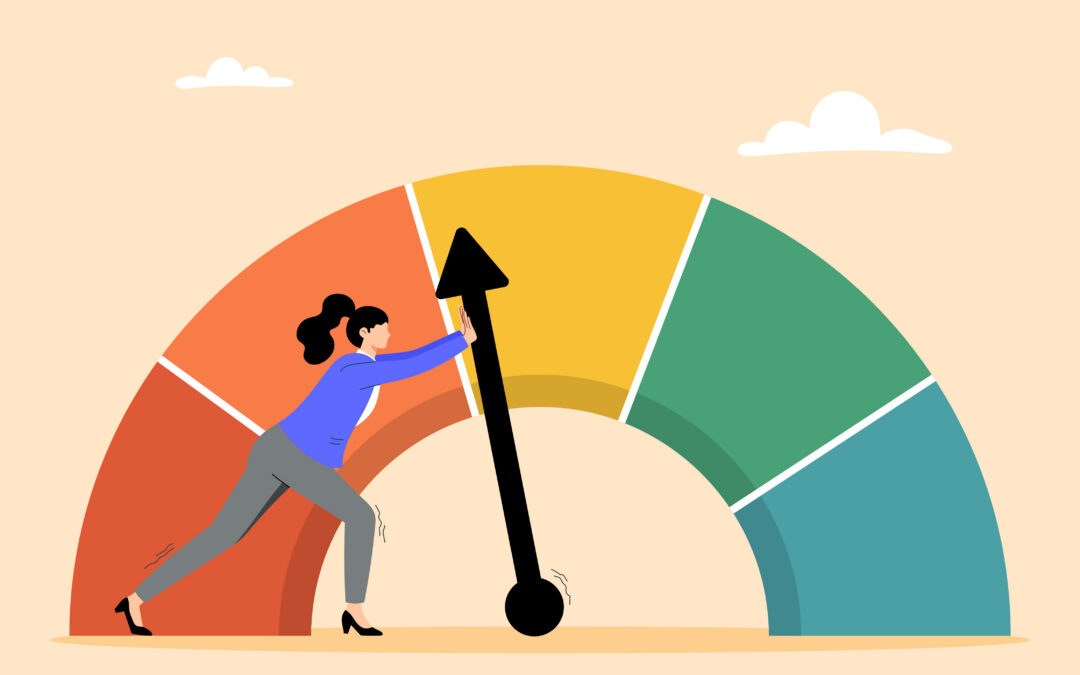
Your credit score is one of the most powerful numbers in your financial life. It affects whether you qualify for a mortgage, the interest rate on your car loan, and even whether a landlord will rent to you. The good news? No matter where your score stands today, you can improve it — and the strategies below are proven to work.
1. Pay Every Bill On Time
Payment history is the single largest factor in your credit score, accounting for roughly 35% of your FICO score. A single missed payment can drop your score significantly — and the damage can linger for up to seven years. To protect this category:
- Set up autopay for at least the minimum payment on every account.
- Use calendar reminders for bills not on autopay.
- If you’ve missed a payment, get current as soon as possible — the longer an account stays delinquent, the worse the damage.
2. Lower Your Credit Utilization Ratio
Credit utilization — the percentage of your available credit that you’re using — makes up about 30% of your score. Experts recommend keeping it below 30%, and ideally below 10% for the best scores. Here’s how to bring it down:
- Pay down existing balances, starting with the highest-utilization cards first.
- Ask your card issuer for a credit limit increase (without spending more).
- Spread balances across multiple cards rather than maxing one out.
- Make multiple payments per month to keep your reported balance low.
3. Don’t Close Old Accounts
The length of your credit history accounts for around 15% of your score. Closing an old account can shorten your average account age and reduce your total available credit — both of which can hurt your score. Even if you rarely use an old card, consider keeping it open and making a small purchase every few months to keep it active.
4. Limit Hard Inquiries
Every time you apply for new credit, the lender performs a “hard inquiry” on your report, which can temporarily lower your score by a few points. While one or two inquiries aren’t a big deal, multiple applications in a short period can signal financial stress to lenders. To minimize the impact:
- Only apply for credit when you genuinely need it.
- When rate shopping (for a mortgage or auto loan), do it within a short window — most scoring models treat multiple inquiries for the same type of loan within 14–45 days as a single inquiry.
- Avoid opening several new accounts at once.
5. Check Your Credit Report for Errors
Studies have found that a significant number of credit reports contain errors — and some of those errors can meaningfully drag down your score. You’re entitled to a free report from each of the three major bureaus (Equifax, Experian, and TransUnion) every year at AnnualCreditReport.com. When reviewing your report, look for:
- Accounts you don’t recognize (which could indicate fraud).
- Incorrect late payment marks.
- Duplicate accounts or balances.
- Personal information errors (wrong address, misspelled name).
If you find an error, dispute it directly with the credit bureau. Corrections can sometimes result in a significant score jump within 30–60 days.
6. Diversify Your Credit Mix
Credit mix — having a variety of account types like credit cards, installment loans, and a mortgage — accounts for about 10% of your score. You don’t need to take on debt just to diversify, but if you only have credit cards, a small personal loan or credit-builder loan could help round out your profile over time.
7. Be Patient — and Consistent
There are no legitimate overnight fixes for a low credit score. Services that claim to “erase” bad credit are often scams. Real improvement comes from consistent, positive financial behavior over time. Depending on where you’re starting from, you could see meaningful improvement in as little as three to six months — and significant improvement over a year or two of disciplined habits.
The Bottom Line
Raising your credit score isn’t complicated — but it does require discipline and time. Focus on the fundamentals: pay on time, keep balances low, and monitor your report for errors. Those three habits alone can take most people from an average score to a good or excellent one. Start today, and your future self will thank you.


